
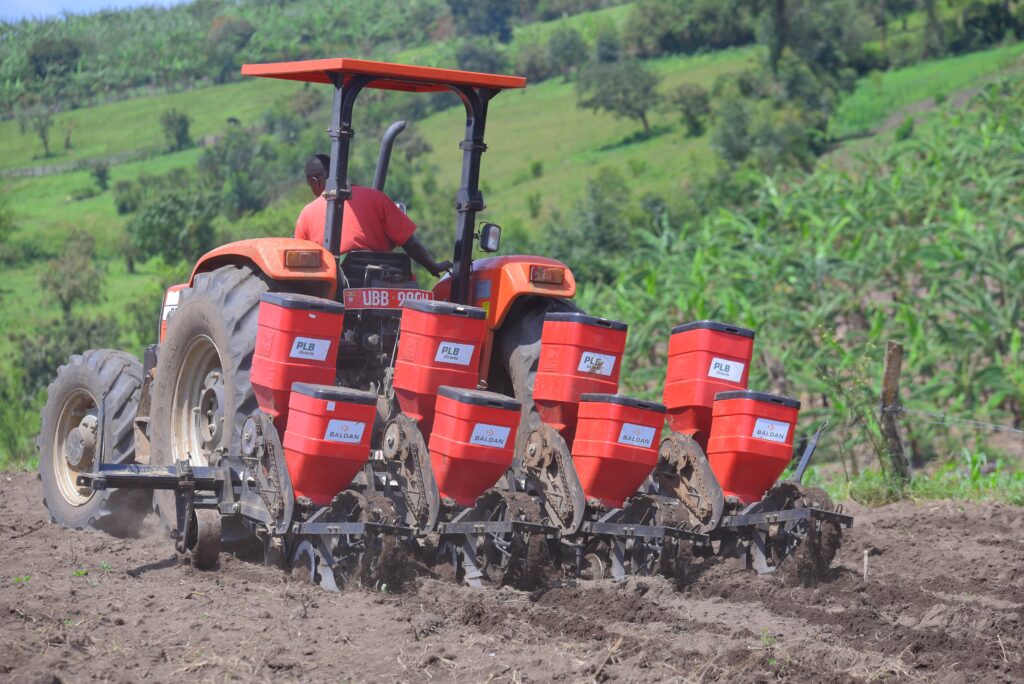
Using planters in large-scale farming offers numerous advantages that can improve efficiency, productivity, and sustainability. Here are some key benefits:
- Precision planting: Planters are designed to sow seeds with high precision, ensuring consistent spacing and depth. This precision leads to uniform plant emergence, which optimizes resource utilization and enhances crop yields.
- Increased efficiency: Planters can cover large areas quickly, reducing the time and labor required for planting compared to manual methods. This efficiency allows farmers to focus on other important tasks during busy planting seasons.
- Cost-effectiveness: While planters may represent a significant initial investment, they can lead to long-term cost savings due to reduced labor and seed wastage. Additionally, the improved crop yields resulting from precise planting can outweigh the initial investment.
- Reduced seed consumption: Planters allow for accurate seed placement, minimizing seed overlap and waste. This efficient use of seeds can lead to cost savings and also reduces the environmental impact associated with excessive seed use.
- Consistent crop growth: Uniform plant spacing and depth achieved through planters promote even growth, making it easier to manage crops and implement various agricultural practices like irrigation, fertilization, and pest control.
- Time-sensitive planting: Planters enable farmers to plant crops at the optimal time, taking into account weather conditions, soil moisture, and other critical factors. This increases the chances of successful germination and establishment.
- Improved crop quality: The uniformity in plant spacing and emergence helps to create a more consistent crop stand, leading to better access to sunlight, nutrients, and water, resulting in improved crop quality.
- Versatility: Modern planters can handle various types of seeds and planting configurations, allowing farmers to diversify their crops and adapt to changing market demands.
- Conservation of resources: By ensuring precise planting, planters reduce the need for excessive thinning or replanting, conserving water, fertilizer, and other inputs, which can contribute to more sustainable agricultural practices.
- Data collection and analysis: Some advanced planters are equipped with technology that collects valuable data during planting, such as seed placement and population. This data can be used to optimize future planting decisions and enhance overall farm management.