
Introduction
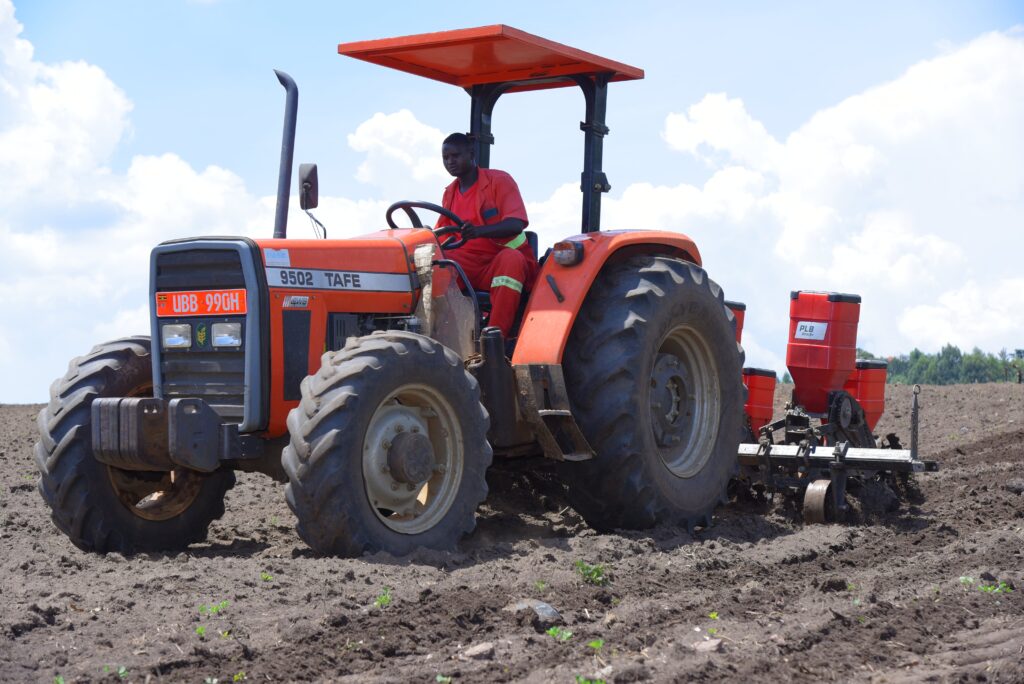
To Choose the Right a tractor for farming in Uganda is one of the most important investments a farmer can make. In Uganda, where farming conditions vary widely from flat savanna to hilly terrains and from light sandy soils to heavy clay choosing the wrong tractor can result in poor performance, high fuel costs, and frequent breakdowns.
Whether you are a smallholder farmer, a growing agribusiness, or a commercial farm operator, understanding what to look for in a tractor will help you make a smart, cost-effective decision that improves productivity and profitability.
1. Understand Your Farm Size and Workload
The size of your farm plays a major role in determining the tractor you need. A tractor that is too small will struggle with heavy tasks, while one that is too large may consume unnecessary fuel and increase operating costs.
Recommended Tractor Power by Farm Size
- 1–10 acres: 45–60 horsepower (HP) tractors
- 10–50 acres: 60–75 HP tractors
- 50+ acres: 75–90 HP tractors
For farmers offering tractor hire services, selecting a slightly higher horsepower model can help handle diverse customer needs more efficiently.
2. Match the Tractor to Your Type of Farming
Different farming activities place different demands on a tractor. Before buying, consider the primary work the tractor will perform.
Common Farming Applications in Uganda
- Crop farming (maize, beans, rice): Requires reliable ploughing, harrowing, and planting capability
- Commercial grain production: Needs higher horsepower and durable transmissions
- Dairy and livestock farming: Benefits from tractors used for fodder preparation, slashing, and transportation
- Sugarcane and heavy crops: Require high torque and strong traction
Choosing a tractor designed for your specific farming activities improves efficiency and reduces wear and tear.
3. Consider Soil Type and Terrain
Uganda’s soil conditions vary by region, and these differences significantly affect tractor performance.
Key Considerations
- Heavy clay or black cotton soils: Require higher horsepower and stronger traction
- Wet or marshy fields: Benefit from 4WD tractors for improved grip
- Hilly or uneven terrain: 4WD provides better control and safety
2WD vs 4WD: Which Is Better?
- 2WD tractors are cost-effective and suitable for dry, flat land
- 4WD tractors offer better traction, stability, and performance in challenging conditions
While 4WD tractors cost more initially, they often save time and reduce losses during the rainy season.
4. Evaluate Fuel Efficiency and Operating Costs
Fuel is one of the largest ongoing expenses in tractor ownership. Choosing a tractor with the right horsepower and a fuel-efficient engine can significantly reduce long-term costs.
Tips to Reduce Operating Costs
- Avoid overpowered tractors for light tasks
- Use the correct implements to reduce strain on the engine
- Follow regular maintenance schedules
A well-matched tractor will perform efficiently without excessive fuel consumption.
5. Availability of Implements and Spare Parts
A tractor is only as useful as the implements it supports and the spare parts available for maintenance.
What to Look For
- Compatibility with common implements such as ploughs, harrows, planters, and trailers
- Availability of genuine spare parts locally
- Access to trained technicians and after-sales support
Reliable spare parts and service support reduce downtime and protect your investment.
6. New vs Used Tractors: What Should You Choose?
New Tractors
- Come with manufacturer warranties
- Offer better fuel efficiency and reliability
- Lower risk of unexpected breakdowns
Used Tractors
- Lower upfront cost
- May have higher maintenance expenses
- Require careful inspection before purchase
For farmers planning long-term use, new tractors often provide better value despite higher initial costs.
7. Common Questions Farmers Ask
Is higher horsepower always better?
No. Higher horsepower increases fuel consumption and maintenance costs if not required for your workload.
Can one tractor handle multiple tasks?
Yes. With the right implements, a single tractor can plough, plant, transport produce, and manage pastures.
Is tractor financing available in Uganda?
Many suppliers such as Engineering Solutions Uganda and financial institutions offer flexible financing options, making tractors more accessible to farmers.
Conclusion
To choose the right tractor for farming in Uganda is about matching power, performance, and support to your specific farming needs. By considering farm size, soil conditions, type of farming, and long-term operating costs, Ugandan farmers can invest in tractors that deliver consistent performance, efficiency, and profitability.
A well-chosen tractor is not just a machine—it is a long-term partner in agricultural success.